Blog
Hygiene science, compliance explainers, and facility management insights — backed by data, not marketing copy.
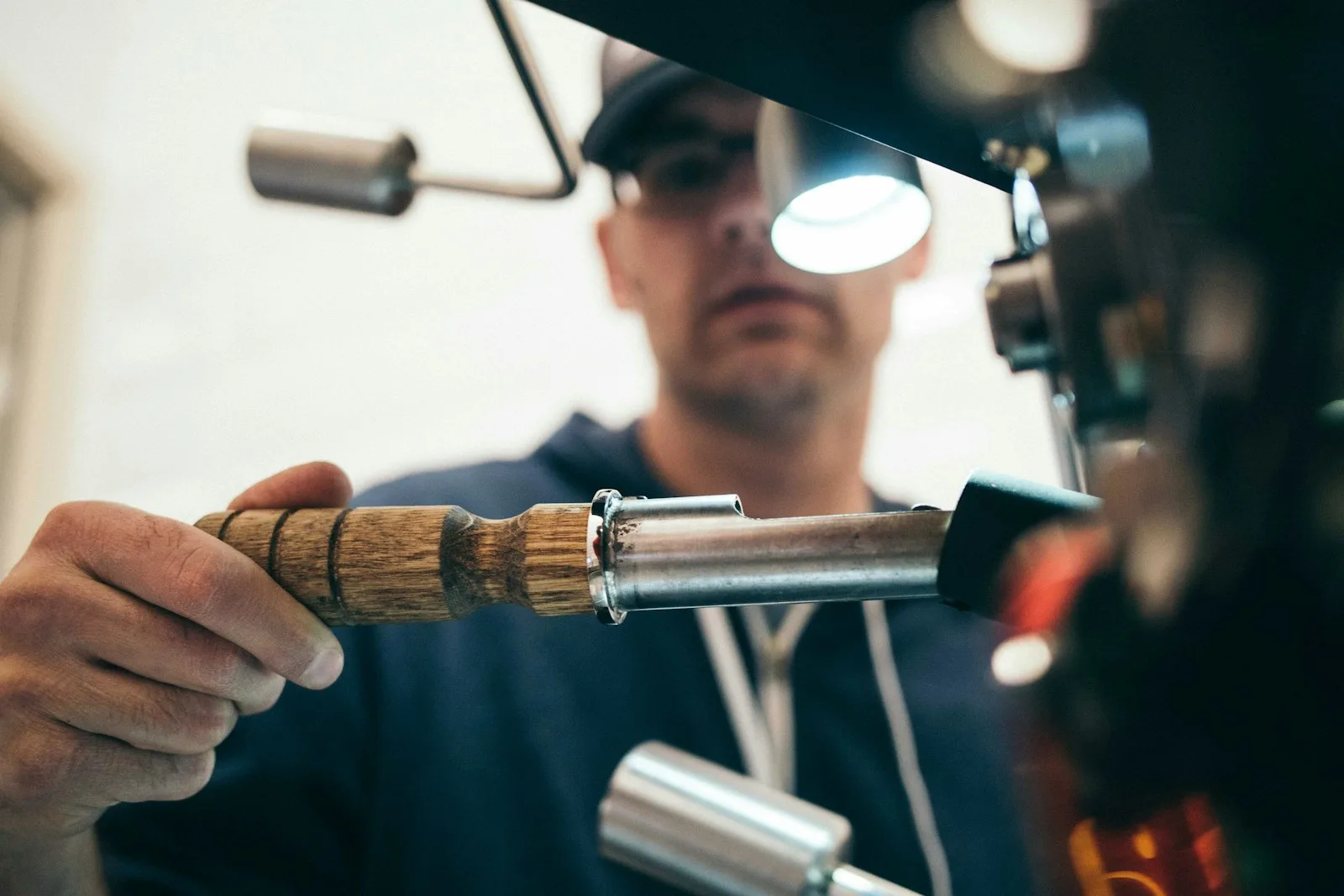
Why Dryer Vents Cause More Fires Than You Think — And What the Data Shows
NFPA data attributes 2,900+ structure fires per year to clogged dryer vents — more than any other laundry-room source. Lint is highly combustible, and the fire typically starts inside the duct itself. We break down what blocks a vent, how fast it happens, and what a camera inspection actually finds in a typical multifamily building.
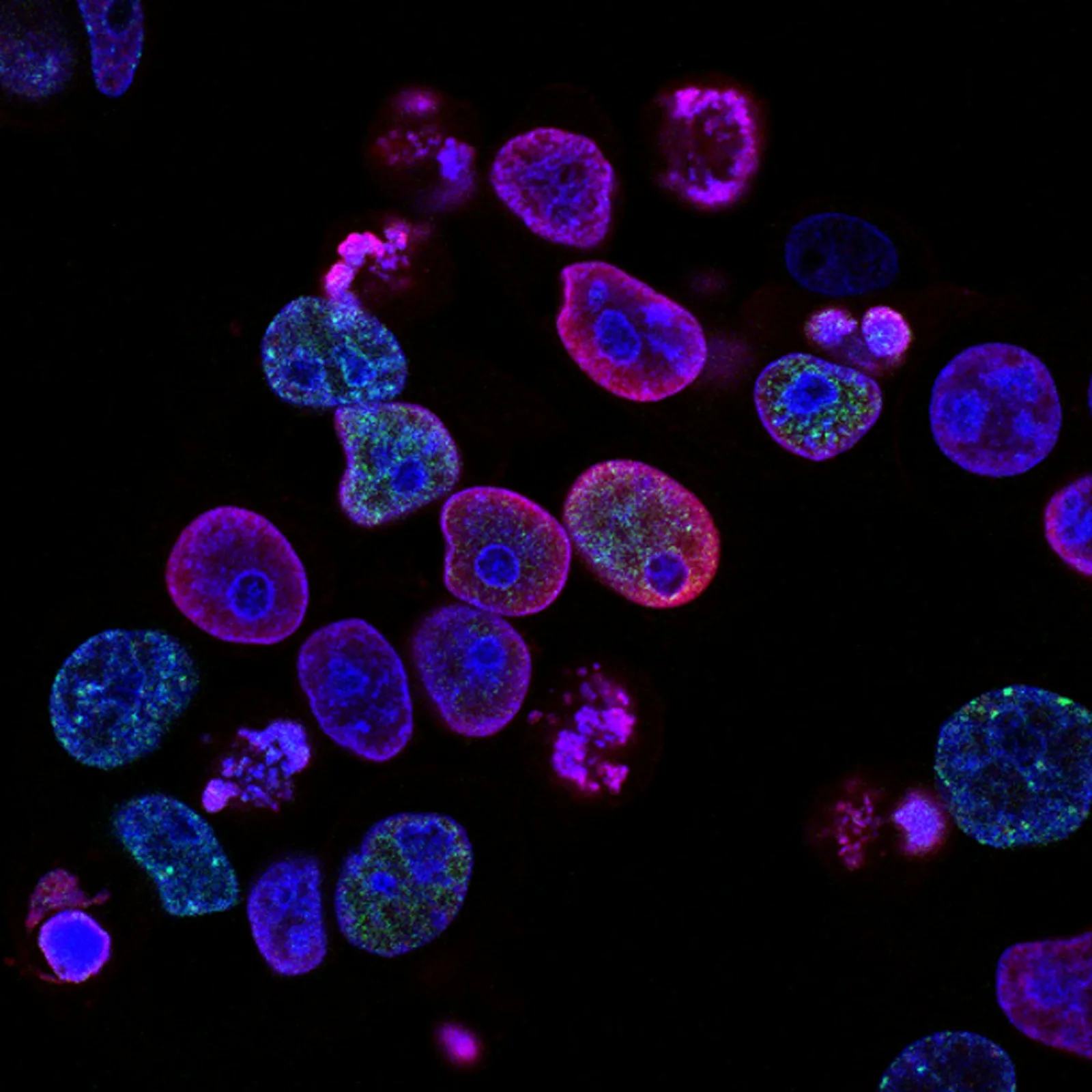
ATP Testing Explained: What RLU Actually Measures (And What It Doesn't)
RLU is a number that tells you how much biological contamination is on a surface — but it doesn't tell you which pathogen. Here's how the luminometer works, why the 10 RLU threshold exists, and when ATP testing gives you useful information versus when visual inspection is enough.

MRSA in Gyms: The Surface Contamination Data Facility Managers Should Know
Studies consistently find MRSA and Staphylococcus aureus on gym equipment surfaces — handles, bench padding, and mat seams are the highest-risk points. Self-service wipe routines reduce transfer risk but don't eliminate embedded load. Here's what the research shows and what actually works.

5 Questions to Ask Before Hiring a Commercial Cleaning Vendor
Most commercial cleaning proposals look the same on paper. The difference between vendors who document results and vendors who assume them comes down to five questions — about measurement, verification, compliance reporting, post-service proof, and what happens when something doesn't test clean.

Infection Control for Dental Offices: What OSHA and CDC Actually Require
OSHA 29 CFR 1910.1030 and CDC's dental infection control guidelines both require documented disinfection protocols — not just a cleaning log. We walk through what inspectors look for, where most offices have a documentation gap, and what an ATP report adds that a standard cleaning record doesn't.

CMS F-tag 880: The Infection Control Documentation Gap Most Assisted Living Facilities Miss
F-tag 880 requires a documented Infection Prevention and Control Program — not a cleaning schedule. State surveyors increasingly ask for quantified evidence of disinfection outcomes. Here's what the tag actually requires, what documentation satisfies it, and why a cleaning log doesn't.
Want the Data for Your Own Facility?
Free ATP baseline and walkthrough — no commitment. The numbers we find are yours to keep.
Get Free Assessment